


INSIDE THE FASHION INDUSTRY — From Reaction to Architecture: How Fashion Must Be Built for 2026
- Barbara Sessim

- 1 day ago
- 4 min read

In my last piece, INSIDE THE FASHION INDUSTRY — 2025 in Review: Tariffs, Strategy Shifts, and What Comes Next, I broke down how 2025 forced fashion brands to confront realities the industry had postponed for years. Tariffs exposed fragile pricing models, supply chains buckled under geopolitical and logistical pressure, and technology finally moved from “innovation theater” into core business infrastructure. What emerged was not a temporary disruption, but a permanent shift in how fashion must be structured to survive.
This second chapter moves from diagnosis to design. Because if 2025 was the year brands reacted, 2026 will be the year the industry separates those who architected resilience from those who simply adjusted season by season.
The first structural change gaining real weight is sourcing strategy. Diversification is no longer about having a backup factory; it’s about deliberately balancing cost, speed, compliance, and tariff exposure across regions. Southeast Asia remains essential, but brands are increasingly pairing it with Central America, Mexico, and selective U.S. nearshoring to reduce lead times and duty risk. What’s important here is realism: nearshoring is not cheaper, and it is not scalable for every category. But for replenishment styles, trend-sensitive SKUs, and compliance-heavy products, speed and predictability now outweigh marginal unit savings. McKinsey has been clear that future competitiveness will hinge on supply-chain agility rather than lowest-cost sourcing, especially as trade volatility becomes structural rather than cyclical.
This shift naturally pushes brands toward tighter operational control, which explains the quiet rise of strategic vertical integration. Unlike the vertically integrated giants of the past, emerging and mid-sized brands are not buying factories outright; instead, they’re securing partial control over key bottlenecks — fabric development, finishing, small-batch production, or shared manufacturing hubs. The goal isn’t ownership for scale, but leverage for margin protection, quality consistency, and delivery reliability. Business of Fashion has noted that brands with even limited production control were better positioned during recent logistics shocks, particularly when shipping delays and minimum order quantities strained external suppliers.
Source: Business of Fashion
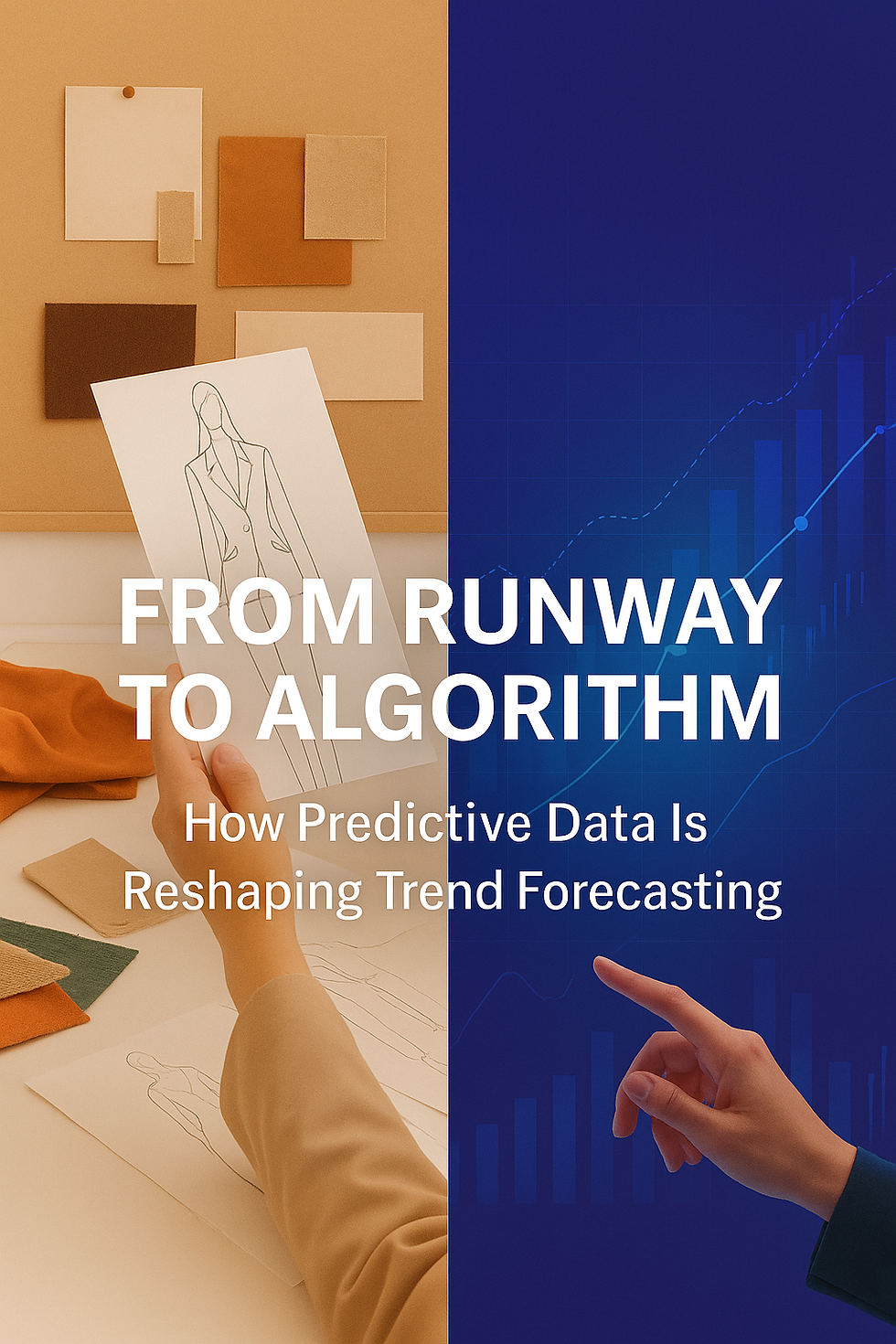
Running parallel to supply-chain restructuring is the transformation of AI from a marketing tool into operational backbone. By 2026, AI-driven merchandising, demand forecasting, and customer acquisition will no longer be competitive advantages — they will be baseline requirements. Brands that integrate AI across inventory planning, personalization, and dynamic pricing are already seeing tighter stock positions, fewer markdowns, and lower customer acquisition costs. Vogue Business has emphasized that the real value of AI lies not in flashy consumer-facing features, but in its ability to connect data across silos — from product development to sell-through — enabling faster, more confident decisions at SKU level.
Source: Vogue – Four new ways that AI is changing fashion
Another structural pillar that can no longer be treated as optional is resale. What began as a brand-adjacent sustainability story has become a legitimate revenue and retention channel. The global second-hand market is projected to continue outpacing traditional retail growth, and brands that integrate recommerce into their ecosystem — whether through partnerships or owned platforms — benefit from extended product life cycles, improved customer lifetime value, and access to younger, price-sensitive consumers without resorting to discounts. ThredUp’s most recent resale report makes it clear: consumers increasingly expect brands to participate in the second-hand economy, and those that don’t risk cultural and commercial irrelevance.
Crucially, resale is now influencing design and sourcing decisions upstream. Durability, repairability, and material choices are no longer just sustainability talking points; they directly impact a product’s second-life value. This forces brands to rethink fabrics, trims, and construction — especially as regulators in the U.S. and Europe begin to scrutinize waste, transparency, and lifecycle responsibility more aggressively.
All of these shifts converge on one unavoidable reality for 2026: profitability must be proven at the unit level. Investors, lenders, and partners are no longer impressed by top-line growth unsupported by margin discipline. SKU-level economics, landed-cost stress testing, and realistic demand forecasting are becoming prerequisites for capital access. Growth without operational clarity is no longer interpreted as ambition — it’s seen as risk. This is why McKinsey and other industry analysts continue to stress that future winners will be brands that align creative vision with financial architecture, not those chasing scale for its own sake.
For emerging designers and international brands eyeing the U.S. market, this environment is challenging but not closed. The path forward is simply narrower and more strategic. Market entry now requires a clear value proposition, a defensible price point, and a supply model designed to withstand volatility. Brands that succeed are choosing fewer SKUs, higher-margin categories, smarter production runs, and partnerships that reduce exposure — from localized distributors to shared logistics and recommerce platforms. Direct-to-consumer remains powerful, but only when paired with strong community, disciplined launches, and data-driven inventory decisions.
By 2026, fashion will no longer reward those who move fastest or cheapest — it will reward those who build deliberately.
If you want tailored feedback on how these shifts affect your specific brand — from sourcing and costing to U.S. market entry and growth strategy — you can schedule a free 30-minute strategy call with me. We’ll map concrete next steps to protect margins, reduce risk, and build a business that’s structurally ready for what 2026 will demand.
Schedule your free 30-minutes strategy call here https://go.oncehub.com/BarbaraSessim


Comments